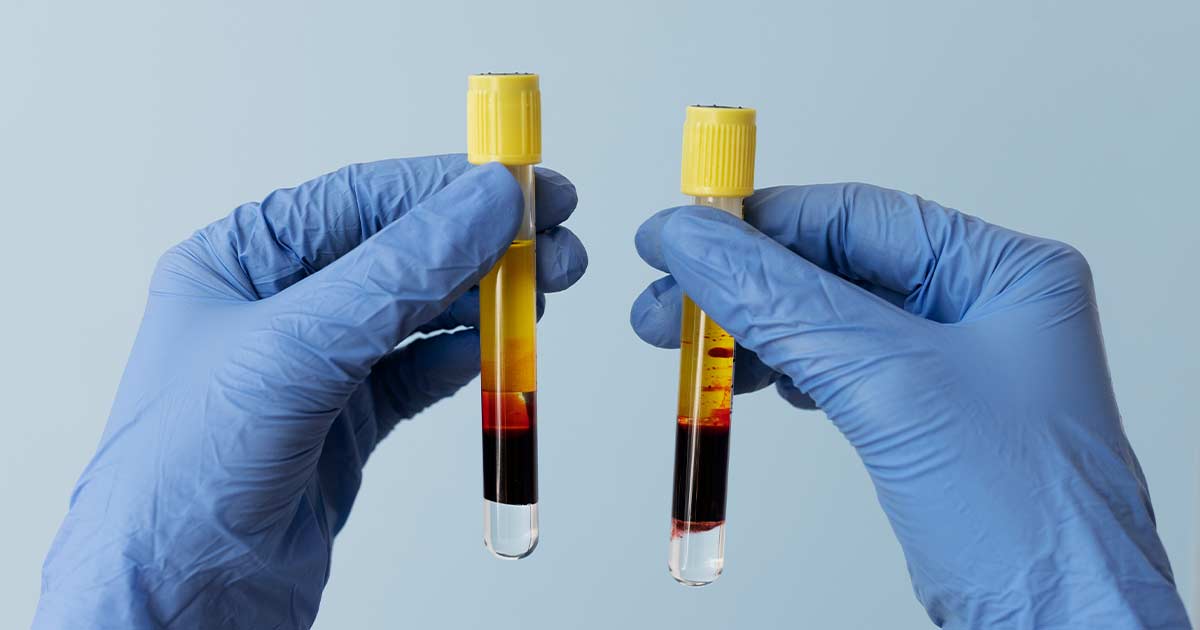
Platelet-rich plasma (PRP) is a concentrated solution of platelets derived from whole blood. Platelets are tiny blood cells that contain growth factors, which are proteins that stimulate the healing of tissues. PRP is used in orthopedics to promote the healing of damaged joints, ligaments, tendons, and muscles.
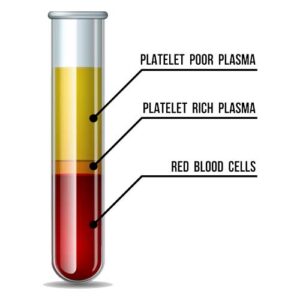
PRP is prepared by drawing a sample of blood from the patient and then spinning it in a centrifuge. This process separates the platelets from the other components of blood. The concentrated platelets are then injected into the injured area.
PRP is thought to promote healing by:
- Stimulating the growth of new cells
- Reducing inflammation
- Improving blood flow to the injured area
PRP is a relatively new treatment for orthopedic conditions, but it is becoming increasingly popular. Studies have shown that PRP can be effective in treating a variety of conditions, including:
- Tendinitis
- Osteoarthritis
- Ligament injuries
- Muscle injuries
PRP is a minimally invasive procedure that can be performed in a doctor’s office (Out-patient and take 90 minutes for preparation. There are few side effects associated with PRP, and most patients can return to their normal activities within a few days.
If you are considering PRP treatment for an orthopedic condition, it is important to talk to your doctor to see if it is right for you.
Doctor will provide you with an accurate, important and effectiveness factors such as specific condition being treated, severity of the injury, individual’s response which some of these issues are still ongoing research
Patient Care Guide (Do and Don’t)
Do’s after PRP Injection:
- Rest: Avoid strenuous activity and heavy lifting for the first few days after the injection.
- Ice: Apply ice packs to the injection site for 15-20 minutes at a time, several times a day, to reduce swelling and pain.
- Elevate: Elevate the injected area above your heart whenever possible.
- Gentle movement: Light exercise and movement can help promote blood flow and healing but avoid anything that causes pain.
- Physical therapy: Your doctor may recommend physical therapy to help with rehabilitation and recovery.
- Follow-up: Schedule a follow-up appointment with your doctor to monitor your progress and discuss any concerns.
Don’ts after PRP Injection:
- Massage: Avoid massaging the injection site for at least 24 hours.
- Heat: Do not apply heat to the injection site for the first 48 hours.
- Alcohol and smoking: Avoid alcohol and smoking for at least 24 hours after the injection, as they can interfere with healing.
- Certain medications: Avoid taking medications such as aspirin, ibuprofen, and other anti-inflammatory drugs, as they can negatively impact the healing potential of PRP therapy and increase the risk of bleeding.
- Strenuous activity: Avoid strenuous activity and heavy lifting for the first few days after the injection.
- Hot tubs and saunas: Avoid hot tubs and saunas for at least 48 hours after the injection.
Expectations after PRP Injection:
- Pain and discomfort: It’s common to experience some pain and discomfort at the injection site for the first few days after the procedure. This is usually mild and can be managed with ice packs and over-the-counter pain relievers.
- Swelling: Some swelling at the injection site is also common. This should subside within a few days.
- Bruising: You may experience some bruising at the injection site. This is usually mild and should resolve on its own.
- Gradual improvement: PRP therapy typically works gradually. You may not see or feel significant improvement for several weeks or even months after the injection.
- Multiple treatments: In some cases, multiple PRP injections may be needed to achieve the desired results.
- Not a cure-all: PRP therapy is not a cure-all for all orthopedic conditions. It is most effective for certain conditions, such as tendinitis and ligament injuries.
It’s important to have realistic expectations about PRP therapy. While it can be an effective treatment for some orthopedic conditions, it is not a magic bullet. It is important to discuss your individual situation with your doctor to understand what you can realistically expect from PRP therapy.
Additional points to note:
- Individual results may vary: The results of PRP therapy can vary from person to person. Some people may experience significant improvement, while others may not see much benefit.
- PRP therapy is not a substitute for other treatments: PRP therapy is often used in conjunction with other treatments, such as physical therapy and medication.
- It is important to follow your doctor’s instructions: Following your doctor’s instructions carefully after the injection is essential for optimal results.
By having realistic expectations and following your doctor’s instructions, you can maximize your chances of a successful outcome from PRP therapy.
Platelet-Rich Plasma (PRP) in Orthopedics by Dr. Pratya Jaratjitwilai, Orthopedist:
Common PRP injection sites:
- Osteoarthritis: knee, shoulder
- Tendinitis: elbow (Golfer/ Tennis), Rotator cuff (tendinitis/ mild partial tear)
PRP Vs Corticosteroid:
Corticosteroid injections provide rapid therapeutic effect in the short-term with recurrence of symptoms afterwards, compared to the relatively slower but longer-term effect of platelet-rich plasma. However, corticosteroid injection is more effective and suitable in acute inflammation case, especially for rapid pain relief.
In certain body area, PRP injection can be performed by using an ultrasound-guided (Link to Ultrasound-Guided Injections)
Contraindications for PRP generally fall into 2 categories which are Absolute and Relative.
1. Absolute Contraindications: These are situations where PRP therapy should generally be avoided:
- Active infection at the injection site: This could lead to the spread of infection.
- Blood clotting disorders: Conditions like hemophilia or thrombocytopenia (low platelet count) can increase the risk of bleeding.
- Cancer or active malignancy: In some cases, PRP may stimulate the growth of cancer cells.
- Pregnancy or breastfeeding: The safety of PRP in pregnant or breastfeeding women has not been fully established.
- Autoimmune diseases: In some cases, PRP may exacerbate autoimmune conditions.
2. Relative Contraindications: These are situations where the benefits of PRP therapy may need to be carefully weighed against the potential risks:
- Use of blood thinners: Medications like aspirin, ibuprofen, and anticoagulants can increase the risk of bleeding.
- Recent corticosteroid use: Corticosteroids can suppress the immune system and may interfere with the healing process.
- Infection elsewhere in the body: Even a systemic infection can increase the risk of complications.
- Certain medical conditions: Conditions like diabetes, liver disease, and kidney disease may increase the risk of complications.
Disclaimer: This information is for general knowledge and informational purposes only and does not constitute medical advice. Consult a qualified healthcare professional for diagnosis and treatment of any medical conditions.