
Understanding Its Functions, Tears, and Care
What is the Meniscus?
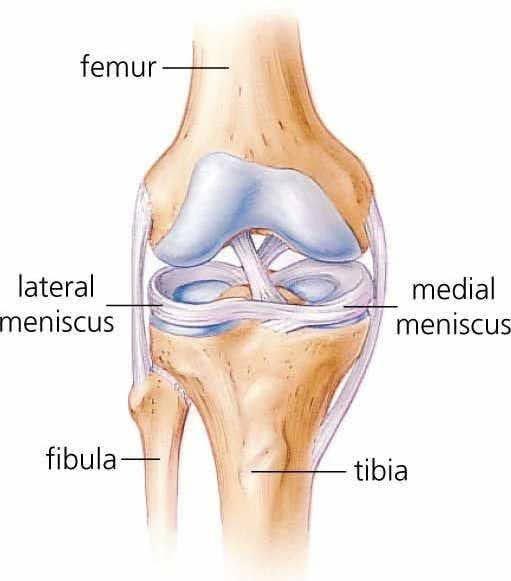
The meniscus is a C-shaped piece of cartilage that acts as a shock absorber and stabilizer in the knee joint. Each knee has two menisci: the medial meniscus on the inside of the knee and the lateral meniscus on the outside.
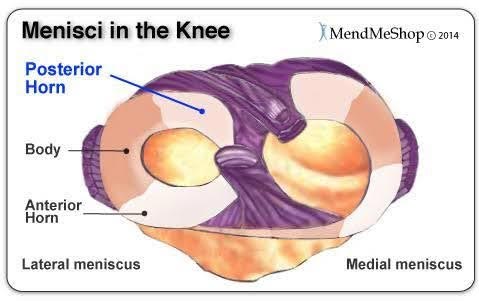
Each meniscus has three (3) parts from front to back: the anterior horn, body, and posterior horn. Each part plays a role in determining the type of repair stitching.
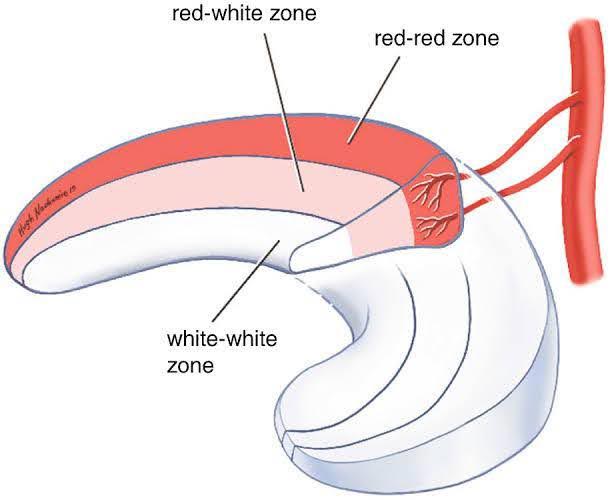
The meniscus is divided into three (3) zones: red-red, red-white, and white-white. As shown in the picture above, blood supply comes from the outer zone, giving the red-red zone a higher healing potential. Conversely, the white-white zone has limited blood supply, resulting in a poorer healing capacity. The injury location within the meniscus determines the surgical treatment approach.
Functions of the Meniscus:
- Distribute weight evenly across the knee joint
- Absorb shock during physical activity
- Increase joint stability
- Improve lubrication within the knee
Causes of Meniscus Tears:
We know that a meniscus tear is a common knee injury that could happen to everyone such as,
- Twisting Injuries: Sudden twisting or rotating movements of the knee, especially when the foot is planted, can tear the meniscus. This is common in sports like basketball, football, and soccer.
- Degenerative Changes: Over time, the meniscus can wear down and tear, especially in older adults, often due to osteoarthritis.
- Other Causes: Less common causes include direct blows to the knee, kneeling on hard surfaces, and squatting with heavy weights.
Meniscus Surgery
Meniscus surgery is typically considered when conservative treatments like rest, ice, compression, and physical therapy fail to relieve symptoms. Here are specific indications for surgery:
- Persistent Pain: Surgery may be an option if significant knee pain persists despite non-surgical treatments.
- Mechanical Symptoms: Symptoms like catching, locking, or instability in the knee may necessitate surgery.
- Large or Complex Tears: Certain tears, such as large or complex ones, are harder to treat non-surgically and may require surgical intervention.
- High-Demand Individuals: Athletes and individuals with high physical demands may benefit from surgery to regain function and activity levels.
Pre-Operative Considerations:
- Timing: Early repair yields better results than chronic cases.
- Tear Location: Determine whether the tear is in the medial meniscus/lateral meniscus, anterior horn/body/posterior horn, or red-red/red-white/white-white zones.
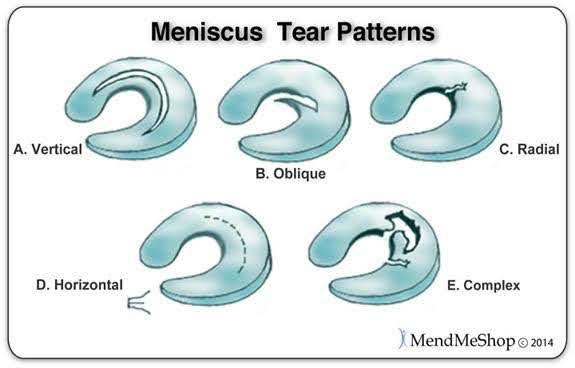
- Tear Pattern: Vertical (or longitudinal), oblique, radial, horizontal, and complex patterns are shown in the accompanying image.
- Associated Injuries: Cartilage or ligament injuries (e.g., ACL tears) may require concurrent treatment. In specific cases, such as multi-ligament injuries, separate surgical sessions may be needed.
- Osteoarthritis Severity: In advanced osteoarthritis, joint replacement may be a better option.
- Limb Alignment: Meniscus surgery alone may not yield good results in cases of lower limb malalignment. Limb alignment correction (e.g., high tibial osteotomy) may be necessary.
- Patient Information: Age, body weight, activity level, and expectations should all be considered.
Surgical Techniques
Meniscus surgery can be performed using a minimally invasive technique called arthroscopic surgery, which involves small incisions and a camera. The two main types of meniscus surgery are:
- Meniscectomy: Removal of the torn portion of the meniscus. This procedure is typically done arthroscopically, with small instruments removing the damaged tissue.
- Meniscus Repair: Repairing the torn meniscus by stitching it back together. This procedure is also performed arthroscopically and is usually feasible for tears located in the outer (red-red) zone. Various repair techniques are used for stability, including stitching methods (outside-in, inside-out, all-inside) and transosseous meniscus root repair. All necessary implants must be prepared before surgery.
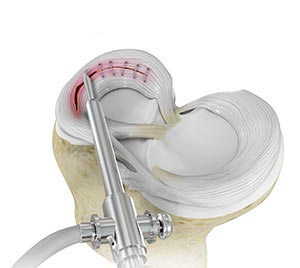
Recovering from a meniscus repair can take several months, but the specific timeline will depend on several factors, including the extent of the surgery, your overall health, and your commitment to physical therapy.
Recovery (link ไปที่ page post-operative surgery)
Recovery from meniscus repair may take several months, depending on:
- The extent of the surgery
- Overall health
- Commitment to physical therapy
With proper care and rehabilitation, most patients can regain function and return to their daily activities or sports.