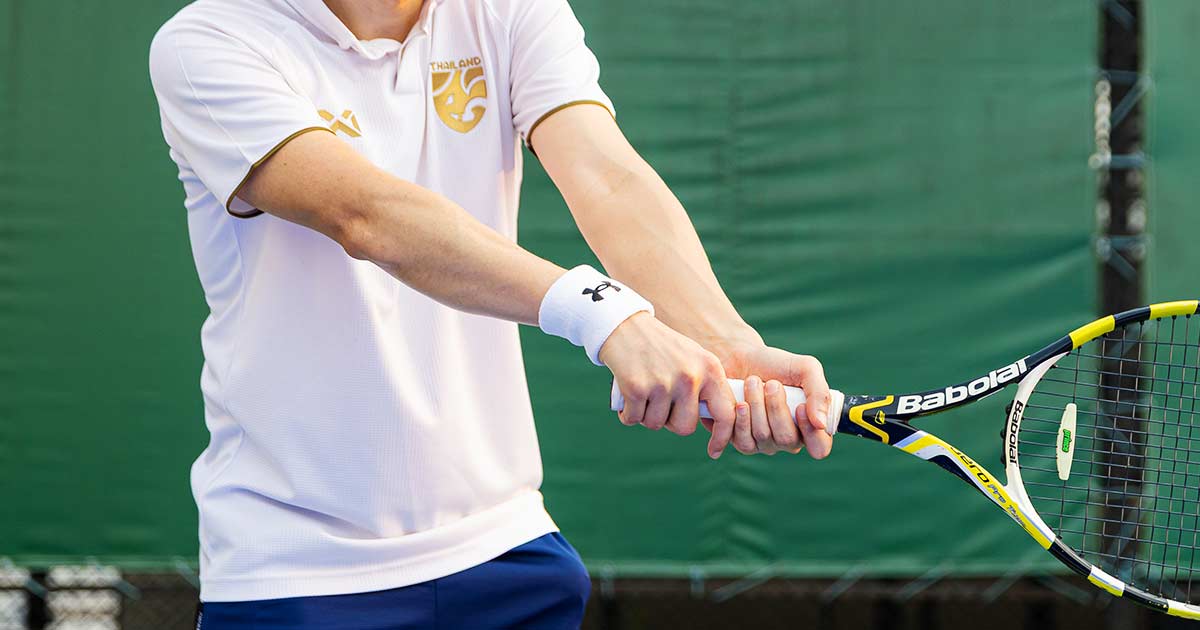
Tennis elbow or lateral epicondylitis is a painful condition affecting the outer part of the elbow due to repetitive overuse of the forearm muscles and tendons. This leads to inflammation and microtears at the tendon insertion, particularly at the origin of the Extensor Carpi Radialis Brevis (ECRB) muscle.
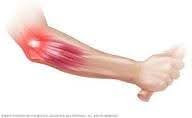
Extensor Carpi Radialis Brevis (ECRB)
Symptoms
- Pain and tenderness on the lateral aspect of the elbow
- Pain during gripping or twisting movements of the wrist
- Weakness in grip strength
- Increased tenderness upon palpation of the lateral epicondyle
Causes
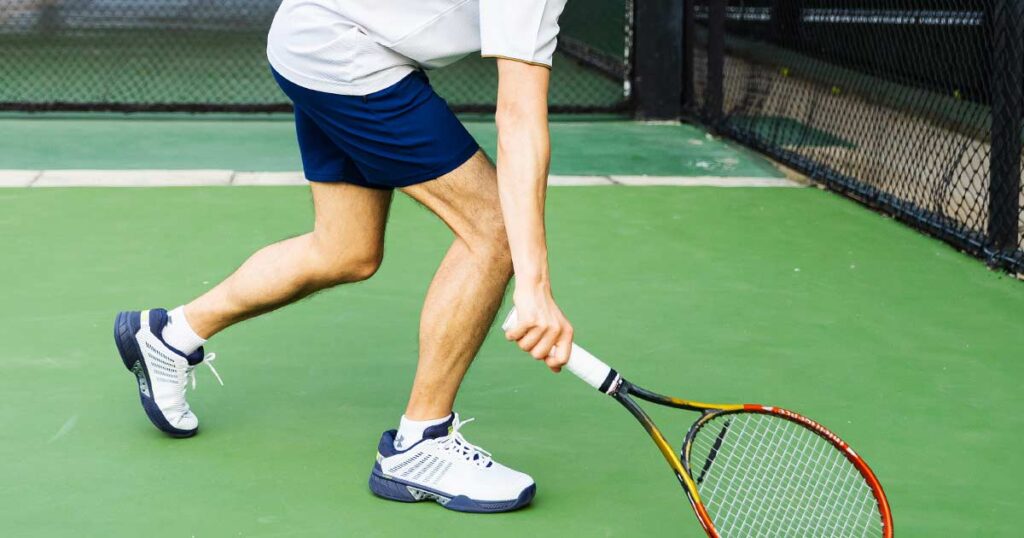
- Repetitive Motions: Activities involving repeated wrist extension and gripping, such as tennis, manual labor, or typing, can stress the elbow.
- Overuse: Excessive strain from repetitive activities leads to microtears and inflammation.
- Poor Technique: Incorrect movement patterns during sports or daily activities increase stress on the tendons.
Treatment
Conservative Management
- Rest: Reducing activities that aggravate symptoms.
- Ice Therapy: Applying ice packs to reduce inflammation.
- Medications: NSAIDs or Acetaminophen for pain relief.
- Stretching and Strengthening Exercises: Palm-down wrist stretching with full elbow extension.
- Physical Therapy: Focuses on eccentric strengthening exercises to improve tendon healing.
Injections
- Cortisone Injection: Provides rapid pain relief but is associated with a high recurrence rate within 3–6 months.
- Platelet-Rich Plasma (PRP) Injection: An emerging treatment with a slower onset of symptom relief but better long-term outcomes. Typically administered in three sessions at two-week intervals. >>>link landing to page PRP
Surgical Intervention
Surgery is considered in chronic refractory cases that do not respond to conservative treatments. The preferred procedure is Open Debridement, Epicondylectomy, and Tendon Repair:
- A small 4-cm incision allows for thorough removal of degenerated tissue.
- The bone surface is refreshed to promote healing.
- The remaining tendon is reattached using a strong suture technique with knotless suture anchors.
- The procedure is performed under general or regional anesthesia (arm nerve block).
Post-Operative Care:
- Immobilization with an elbow brace or slab in 90-degree flexion for two weeks.
- Gradual range-of-motion exercises are initiated after immobilization.
- Success rates are approximately 90%, with significant pain relief and functional improvement.
Prevention
- Proper Warm-up: Stretching and warming up before activities.
- Gradual Progression: Avoiding sudden increases in activity intensity or duration.
- Correct Technique: Ensuring proper biomechanics in sports and occupational tasks.
- Rest and Recovery: Allowing adequate recovery time to prevent overuse injuries.
If persistent elbow pain affects daily activities, seeking early medical evaluation can help prevent progression and optimize treatment outcomes.