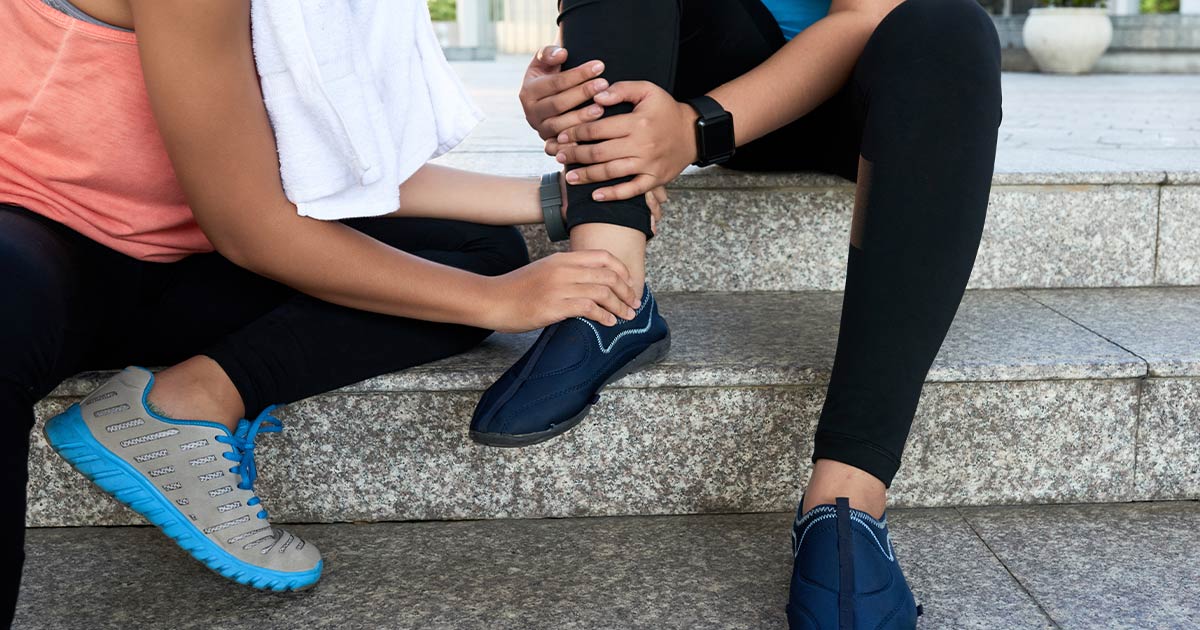
The Achilles tendon is a strong, fibrous band of tissue that connects the calf muscles to the heel bone. A rupture of this tendon can cause significant pain and impair the ability to walk, run, or stand on tiptoes.
Causes
An Achilles tendon rupture typically occurs when the tendon is stretched beyond its capacity. This can happen during activities that involve sudden changes in direction, jumping, or landing. Common causes include:
- Participating in sports that require running, jumping, or rapid directional changes (e.g., basketball, tennis, soccer)
- Tripping or falling
- Direct trauma to the Achilles tendon
Risk Factors
Several factors can increase the risk of an Achilles tendon rupture, including:
- Age (most common between 30 and 50 years old)
- Sex (more prevalent in men)
- Certain medications (e.g., fluoroquinolones, corticosteroids)
- Medical conditions (e.g., diabetes, rheumatoid arthritis)
Symptoms
The most common symptoms of an Achilles tendon rupture include:
- Sudden, severe pain at the back of the ankle or calf
- A popping or snapping sound at the time of injury
- Difficulty walking, running, or standing on tiptoes
- Swelling and bruising in the affected area
- มีอาการบวมและฟกช้ำบริเวณด้านหลังข้อเท้าหรือน่อง
Treatment
Immediate treatment for an Achilles tendon rupture typically involves rest, ice, compression and elevation (RICE).
For a complete Achilles tendon rupture, surgical intervention is usually recommended to facilitate faster recovery and reduce the risk of re-rupture.
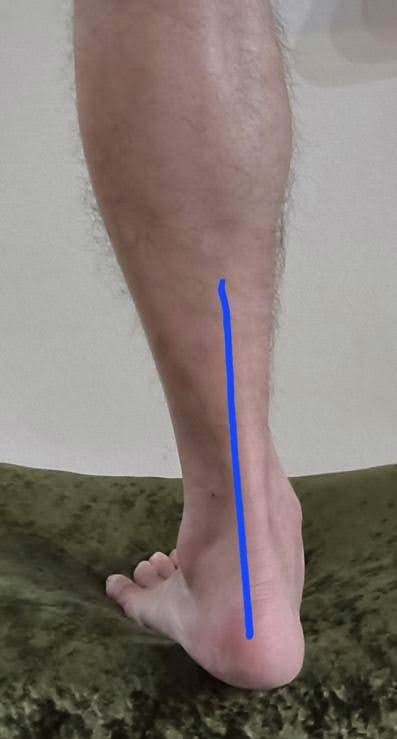
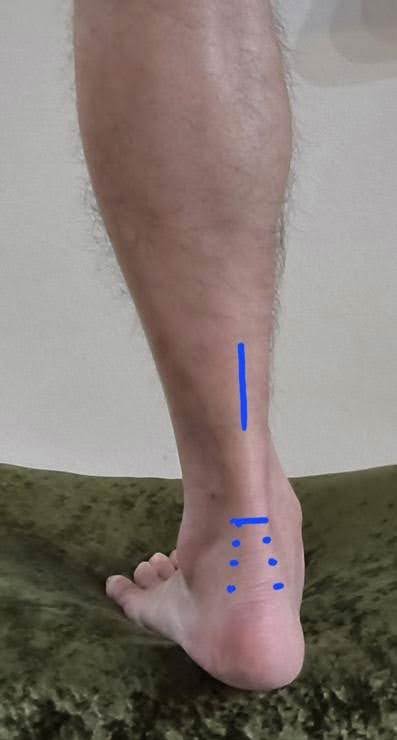
A commonly used technique for Achilles tendon repair in acute ruptures is the Hybrid Technique which combines:
- Percutaneous Repair for the lower portion of the tendon, a minimally invasive approach that preserves the overlying skin, which is particularly vulnerable in this area.
- Mini-Open Repair for the upper portion of the rupture, reducing the risk of nerve injury while allowing for additional procedures, such as Achilles tendon lengthening in cases of tendon shortening, to enhance recovery outcomes.
Prevention
To reduce the risk of Achilles tendon rupture, it is essential to:
- Warm up properly before exercise
- Wear supportive footwear
- Gradually increase the intensity and duration of physical activities
- Maintain a healthy weight
- Manage underlying medical conditions that may contribute to tendon weakening