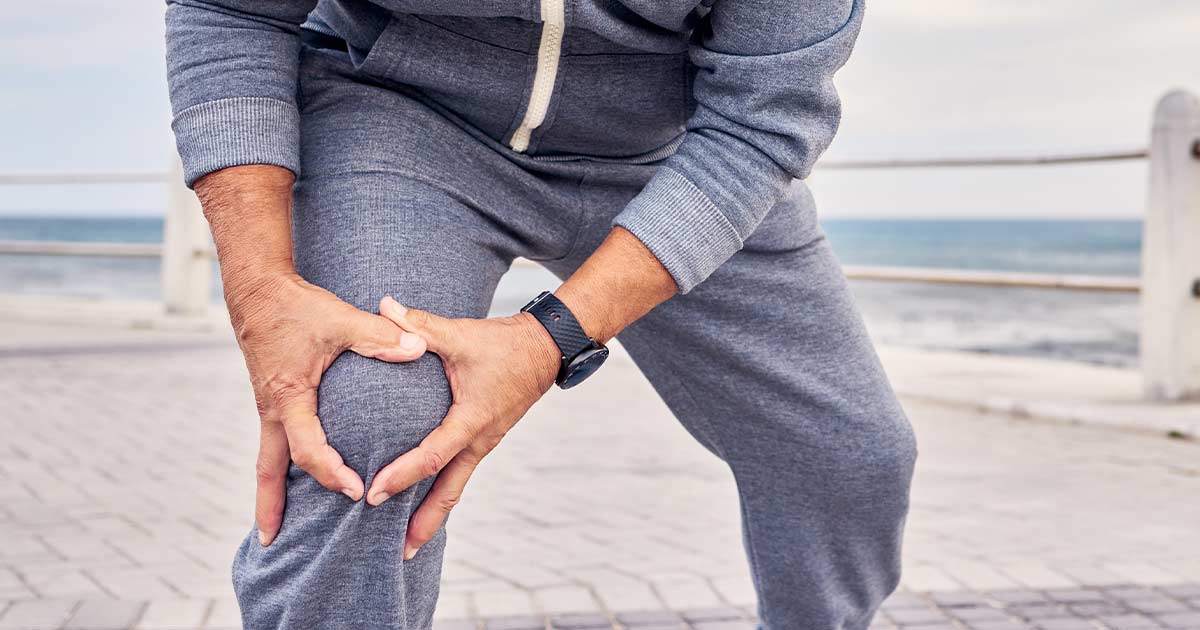
What is Anterior Cruciate Ligament (ACL)?
The Anterior Cruciate Ligament (ACL) is one of the four major ligaments providing stability to the knee joint. An ACL injury refers to a tear or sprain of this ligament, typically caused by sudden stops, changes in direction, or twisting knee movements, such as those common in sports like basketball, football and skiing.
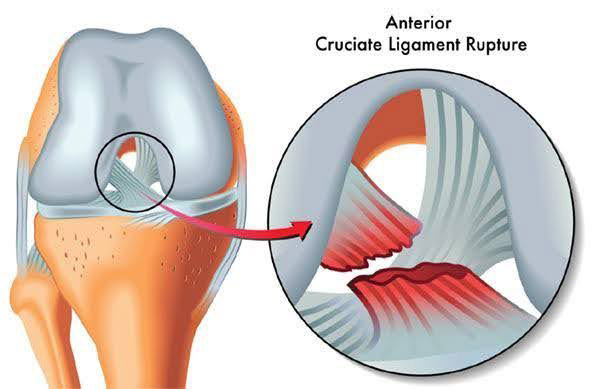
Importance of Treating ACL (Anterior Cruciate Ligament) Injuries
Prompt and appropriate treatment of ACL injuries is crucial for several reasons:
- Stability: The ACL prevents the shinbone from sliding too far forward under the thighbone and provides rotational stability. A torn ACL can lead to knee instability, increasing the risk of further injury.
- Function: A torn ACL significantly impairs knee function, making activities like walking, running, and jumping difficult or painful.
- Arthritis Risk: Untreated ACL tears heighten the risk of developing early-onset knee arthritis.
Treatment Options
Treatment for ACL injuries depends on the severity of the tear and the individual’s activity level:
- Non-Surgical Treatment: For mild sprains or partial tears, non-surgical options may include rest, ice, compression, elevation (RICE), physical therapy, and bracing.
- Surgical Treatment: Complete or severe ACL tears often require surgery, particularly for athletes or highly active individuals. ACL reconstruction, the most common procedure, involves replacing the torn ligament with a graft.
Graft Choice by Dr. Pratya Jaratjitwilai
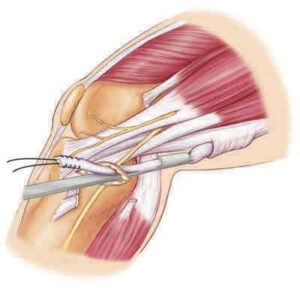
- Primary Graft Choice: Semitendinosus Tendon, Harvested using a 2 cm skin incision below the inner knee. If the Semitendinosus is small, the Gracilis tendon is added for proper graft size, harvested through the same incision.
- Potential Complications:
- Discomfort or Bruising: Temporary, resolves within a week.
- Persistent Pain: Though uncommon, pain at the harvest site may persist.
- Weakness: Hamstring muscle weakness, affecting activities like running and squatting.
- Neurological Problems: Rare cases of nerve injury causing numbness or tingling.
- Hamstring Strain: Increased risk due to tendon healing time.
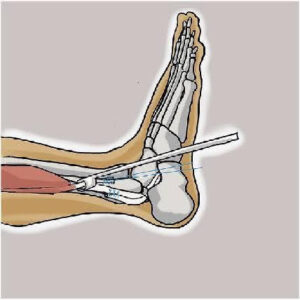
- Secondary Graft Choice: Peroneal Longus Tendon, Located on the outer leg, harvested with a 1 cm incision near the ankle.
- Preferred for:
- ACL tears with MCL (Medial Collateral Ligament) injuries, as the Semitendinosus and Gracilis contribute to valgus stability.
- Multi-ligament knee injuries requiring multiple reconstructions.
- Revision ACL reconstructions where hamstring tendons were previously harvested.
Fixation Technique
Dr. Pratya utilizes the All-Inside ACL Reconstruction Technique, which minimizes pain, promotes quicker recovery, and ensures excellent functional outcomes. See picture below.
Recovery
Recovery from an ACL injury, whether surgical or non-surgical, takes several months and requires physical therapy to restore strength, flexibility, and range of motion. Recovery duration depends on factors such as age, body weight, injury severity, and associated injuries.
Typical Recovery Timeline After Surgery:
- Weeks 2–4: Crutches with partial weight-bearing.
- Week 3: Begin stationary cycling with no resistance and a high seat.
- Weeks 4–6: Start semi-squats.
- Weeks 6–9: Knee brace.
- Months 6–9: Return to football and other high-impact sports.
- Week 12: Begin jogging.
For detailed post-operative advice from Dr. Pratya, please visit the following link: (link to page Post-Operative Care).