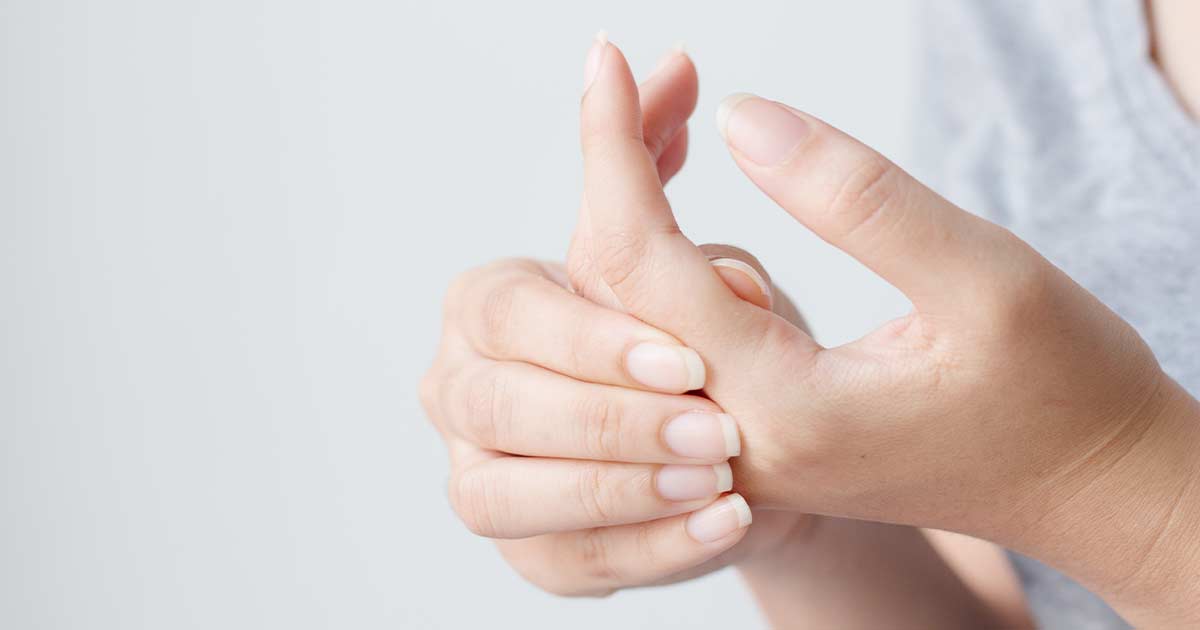
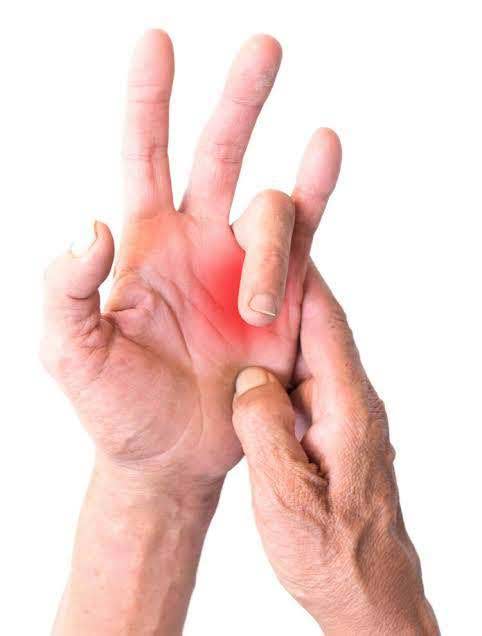
Trigger finger (stenosing tenosynovitis) is a painful condition affecting the flexor tendons of the fingers or thumb, leading to catching, locking, or stiffness during flexion and extension. The condition results from repetitive use and degeneration of the tendon sheath, causing inflammation and narrowing of the tendon’s passageway. It is more prevalent in females than males and is commonly associated with diabetes mellitus.
Treatment Options
Management strategies for trigger finger include conservative and surgical interventions:
Conservative Treatment:
- Activity modification: Reducing repetitive hand movements to alleviate strain on the affected tendon.
- Warm water soaks: Immersing the hand in warm water to relieve stiffness and discomfort.
- Topical medications: Applying anti-inflammatory creams to the affected area 3-4 times daily.
- Oral anti-inflammatory medications: Non-steroidal anti-inflammatory drugs (NSAIDs) for pain relief.
- Corticosteroid injections: Limited to a maximum of two injections due to potential side effects, including tendon weakening and rupture.
Surgical Treatment:
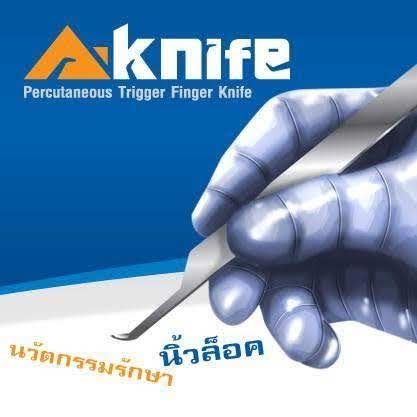
For cases resistant to conservative therapy, a surgical intervention is indicated. Here are the Two (2) primary techniques comparison:
| Procedure | Conventional Open Surgery | Percutaneous Release (A-Knife) |
|---|---|---|
| Operative time | ~15 minutes | ~2-3 minutes |
| Skin incision | ~15 millimeters | ~2 millimeters |
| Wound healing | 10-14 days | 2-3 days |
| Skin suturing | Required | Not required |
| Return to function | 7 days | 2 days |
| Recurrence rate | 0-1% | 0-1% |
| Nerve injury risk | ~1% | ~1% |
Procedure for Percutaneous Release Using A-Knife
- No preoperative fasting is required.
- The hand is disinfected and sterilized with an antiseptic solution.
- Local anesthesia is administered at the incision site.
- A small incision (~2 mm) is made, and the A-Knife is used to release the constricted tendon sheath.
- The surgeon confirms the procedure’s success by assessing the patient’s ability to flex and extend the affected digit without restriction.
- The incision is covered with a sterile dressing, and compression is applied for hemostasis (3-5 minutes).
Post-Operative Care and Recovery after A-Knife procedure
Patients are advised to follow prescribed medication regimens and engage in gentle finger movements within their comfort range.
- Day 1: Remove the gauze dressing and cover the wound with a small adhesive bandage. Keep the wound dry.
- Day 2: Remove the adhesive bandage. The wound can be exposed to water. Begin warm water soaks or warm compresses (10-15 minutes, 2-3 times daily).
- Day 3: Apply topical medication and perform gentle self-massage at the incision site. Initiate range-of-motion exercises by slowly flexing and extending the finger (5-10 minutes, 3-4 times daily).
If significant pain persists, consult a physician immediately!
Potential Complications after A-Knife procedure
Despite its minimally invasive nature, percutaneous release may present certain risks:
- 15%: Mild pain at the incision site during the first week, resolving spontaneously within 4-6 weeks.
- 3%: Persistent pain requiring corticosteroid injection.
- 5%: Finger joint stiffness, depending on disease severity.
- <1%: Nerve injury.
- <1%: Recurrence of trigger finger.
- <1%: Wound infection.
Percutaneous trigger finger release using the A-Knife is a safe, efficient and minimally invasive alternative to conventional open surgery. With reduced operative time, minimal scarring and faster recovery. This technique provides an optimal solution for patients seeking rapid symptom relief and early return to daily activities.
For more information or make an appointment click below.